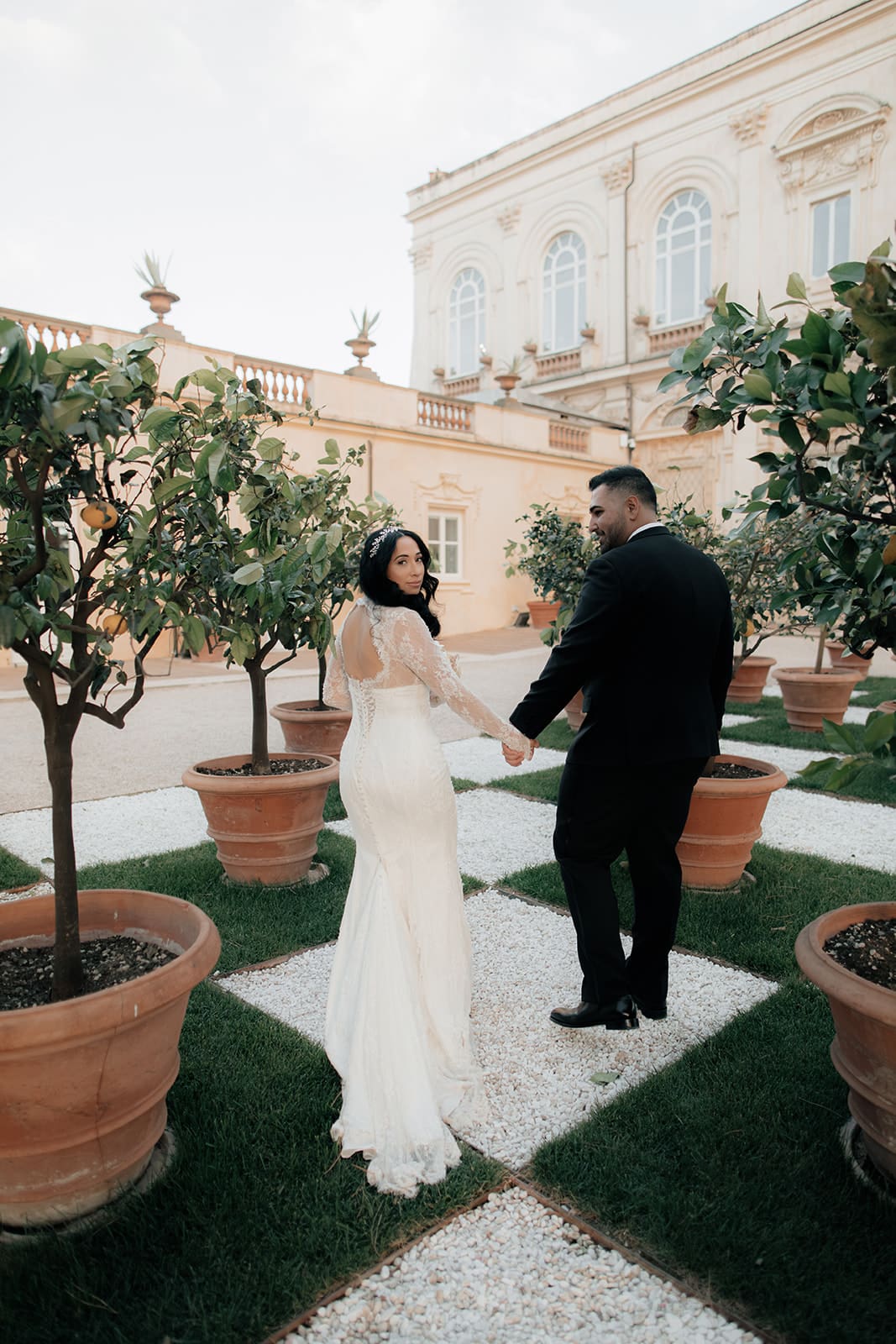
Destination Wedding Planning Checklist
Destination weddings has been a huge wedding trend! A destination wedding is more than a single day—it’s an experience. It’s your loved ones flying across oceans, exploring new places, and gathering for a celebration that feels like a once‑in‑a‑lifetime trip.
But with that magic comes more logistics: time zones, travel, legal requirements, language barriers, and cultural nuances. This roadmap is designed to help you know what to expect and what to do—step by step—whether you’re dreaming of Hawaiʻi, a Napa vineyard, a European villa, or an iconic city or island in Asia.
Use this as your destination wedding checklist, from the moment you get engaged until you’re walking down the aisle.
Celebrate, Then Talk About Your Destination Vision
First, enjoy being engaged. Let the news sink in, call your families, and savor the moment.
Once you’re ready to talk wedding plans, start with the big picture: why a destination wedding? Is it because you love to travel together, because your families are spread around the world, or because you want a more intimate, intentional celebration?
Picture the setting:
- Hawaiʻi: Oceanfront ceremony, lush greenery, lei and haku, a deep sense of aloha.
- Napa: Rolling vineyards, golden light, wine‑pairing dinners, relaxed luxury.
- Europe: Tuscan villa, Parisian chateau, Greek island cliffs, historic city squares.
- Asia: Bali cliffs, Thai beach, Japanese garden, Singapore skyline, or a heritage location tied to family roots.
Discuss what you want the experience to feel like: adventurous, romantic, luxurious, easygoing, or a blend. That feeling will guide every decision that follows.
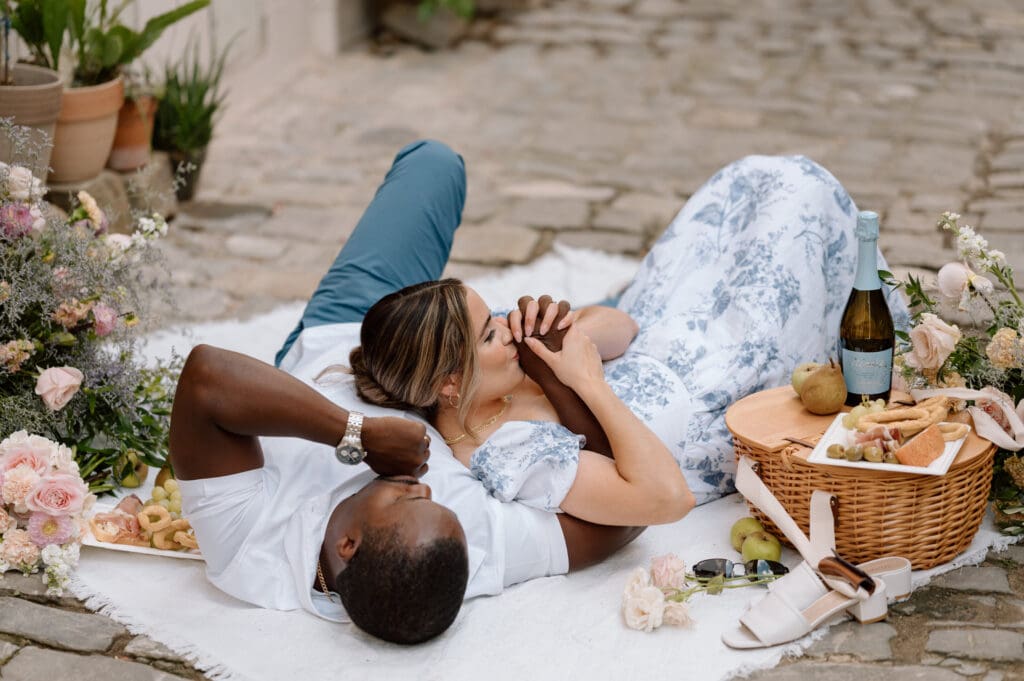
Decide on Priorities, Budget, Guest Count, and Regions
Destination weddings are about choices and trade‑offs. Getting clear on your priorities early makes planning smoother and more enjoyable.
First, talk about what matters most. Is it the view? The food and wine? A specific cultural or religious element? The guest experience and travel ease? Photography in a once‑in‑a‑lifetime location? Knowing your “musts” helps you spend wisely and simplify where it doesn’t matter as much.
Then set your budget and a realistic guest count. Destination weddings often have smaller guest lists, but the per‑guest cost can be higher due to travel, welcome events, and multi‑day experiences. Decide who you truly want there and who would be just as happy celebrating at home later at a post‑wedding party.
Next, narrow your regions. You don’t need a specific venue yet, but you do need a short list—for example:
- Hawaiʻi: Maui, Oʻahu, Kauaʻi, or Hawaiʻi Island
- Napa / Wine Country: Napa, Sonoma, Healdsburg, St. Helena
- Europe: Italy, France, Spain, Greece, Portugal, the UK
- Asia: Bali/Indonesia, Thailand, Japan, India, Vietnam, Singapore
Factor in time zones, flight lengths, visa requirements, and ease of travel for the people you love most. For example, Europe may be easier if most guests are on the East Coast, while Hawaiʻi or Asia may make more sense from the West Coast.
Hire a Destination Wedding Planner Early
With a local wedding, you might be able to improvise. With a destination wedding, having a planner who understands both your home base and your destination is one of the most valuable investments you can make.
A destination planner helps you:
- Compare locations with an eye on seasonality, travel, and budgets
- Understand marriage license laws, permits, and local regulations
- Navigate language barriers, cultural etiquette, and local vendors
- Create a realistic planning timeline across time zones
- Coordinate travel, room blocks, and guest communication
For Hawaiʻi and Napa, that means knowing which venues are truly guest‑friendly, what the weather is really like at different times of year, and how to handle things like sound curfews or transportation through wine country. For Europe and Asia, it means having trusted partners on the ground, understanding local customs, and ensuring your contracts and logistics are solid.
This is where Anela Events loves to come in: connecting your vision with the reality of the destination, so you aren’t making big decisions from behind a screen with no local insight.

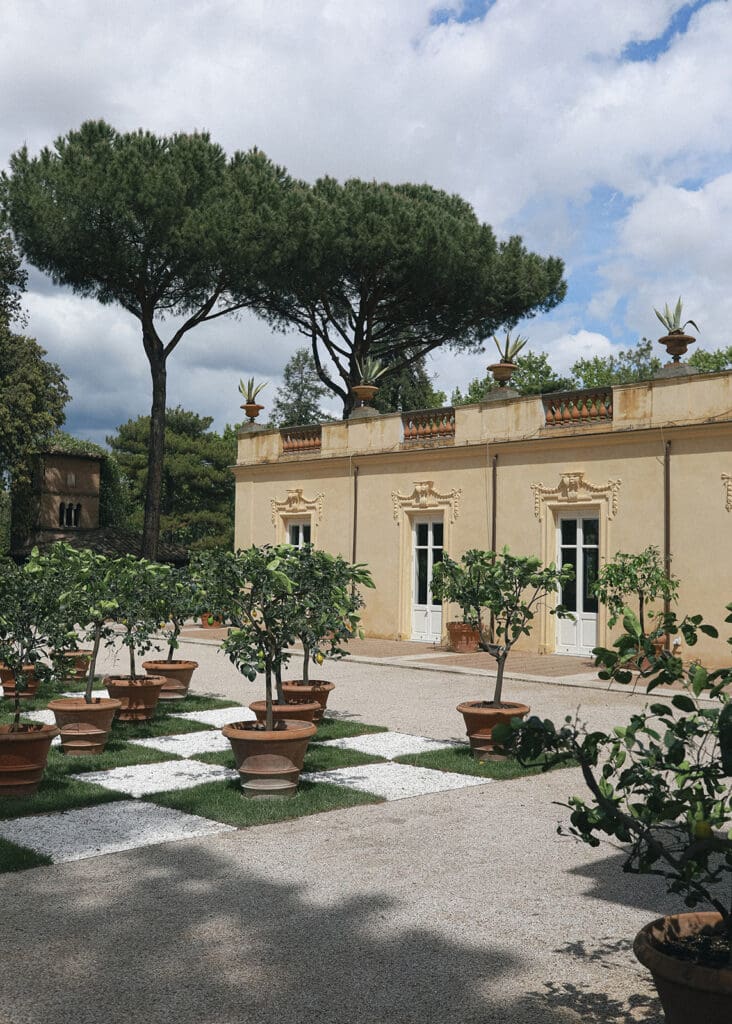
Choose Your Destination and Venue, Then Lock the Date
Once you’ve clarified your region and brought in a planner, it’s time to choose the exact destination and venue. This is the anchor for everything else: flights, hotel choices, vendor bookings, and your wedding weekend schedule.
If possible, consider a scouting trip. Walking through venues in Napa, touring resorts in Hawaiʻi, or visiting a villa or hotel in Europe or Asia can give you tremendous peace of mind. If travel isn’t possible, your planner can do virtual walkthroughs, share detailed videos, and help you evaluate layouts, backup plans, and logistics.
When comparing venues, look beyond the views and consider:
- Capacity: Can it comfortably hold your intended guest count?
- Weather and season: Will it be rainy in Bali, too hot in Europe, or peak hurricane season in Hawaiʻi?
- Onsite vs. offsite catering: Some destinations require you to use the hotel’s food and beverage; others are more flexible.
- Noise curfews and local regulations: Especially important in Europe’s historic towns and in Napa wine country.
- Accessibility and accommodations: Are there enough rooms onsite or close by? How easy is it for guests to get there?
Once you’ve chosen a venue and date, your destination wedding officially has a home—and you can start building everything around it.
Build a Vendor Team That Understands Destination Logistics
Destination weddings are more complex than local ones, so your vendor team matters even more. Some couples bring key vendors (like photographers or planners) from home, then hire local teams for others. Others go fully local. There is no one “right” way; it depends on your budget, style, and comfort level.
Your planner will help you choose vendors who are used to working in your specific destination: hair and makeup artists who understand the climate in Hawaiʻi and Bali, caterers who know how to pair a Napa menu with local wines, photographers comfortable shooting in ancient European churches or on crowded city streets, and bands or DJs who understand your cultural traditions and language needs.
Destination‑savvy vendors are also used to working around shipping delays, import restrictions (for decor, alcohol, or flowers), and tight event windows. That experience is priceless when you’re planning from another continent.
Plan Your Wedding Weekend Experience, Not Just the Day
With a destination wedding, your “wedding” is rarely just one event. Most couples end up hosting a full weekend (or multi‑day) experience:
- Welcome drinks or dinner, so guests can mingle and recover from travel
- Group activities: wine tastings in Napa, a beach day in Hawaiʻi, a boat tour in Greece, a temple or city visit in Asia
- Rehearsal or family gatherings
- The wedding day
- A farewell brunch or casual goodbye gathering
You don’t need to plan every minute—people will want free time—but offering a few touchpoints makes the trip feel intentional and connected. This is especially meaningful when guests have traveled far and may be exploring a new culture or language.
Your planner can help you sequence these events so they feel balanced. For example: light welcome drinks the first night (after long flights), a more active day in the middle, then the wedding when everyone is grounded and comfortable.
Focus on Guest Communication, Travel, and Accommodations
For a destination wedding, communication is as important as design. Guests are committing time and money to be there; they need clear, timely information to feel confident about saying yes.
Create a wedding website early and keep it updated. Include:
- Travel tips: closest airports, typical flight routes, recommended booking windows
- Visa or entry details: especially for Europe’s Schengen countries or many Asian destinations
- Accommodation options: your room block, recommended hotels or villas, and booking deadlines
- Ground transportation: rental cars, taxis, shuttles, local transport apps
- Weather and packing tips: what to wear, local customs around dress, cultural considerations
- Local highlights: a few of your favorite restaurants, beaches, wineries, museums, or markets
For Hawaiʻi and Napa, you might remind guests about rental cars, limited rideshares in certain areas, and cooler evenings even after warm days. For Europe and Asia, you may want to outline typical tipping customs, etiquette for religious sites, and a few key phrases or apps that make getting around easier.
The more you help guests feel prepared, the more relaxed and joyful your celebration will be—for them and for you.
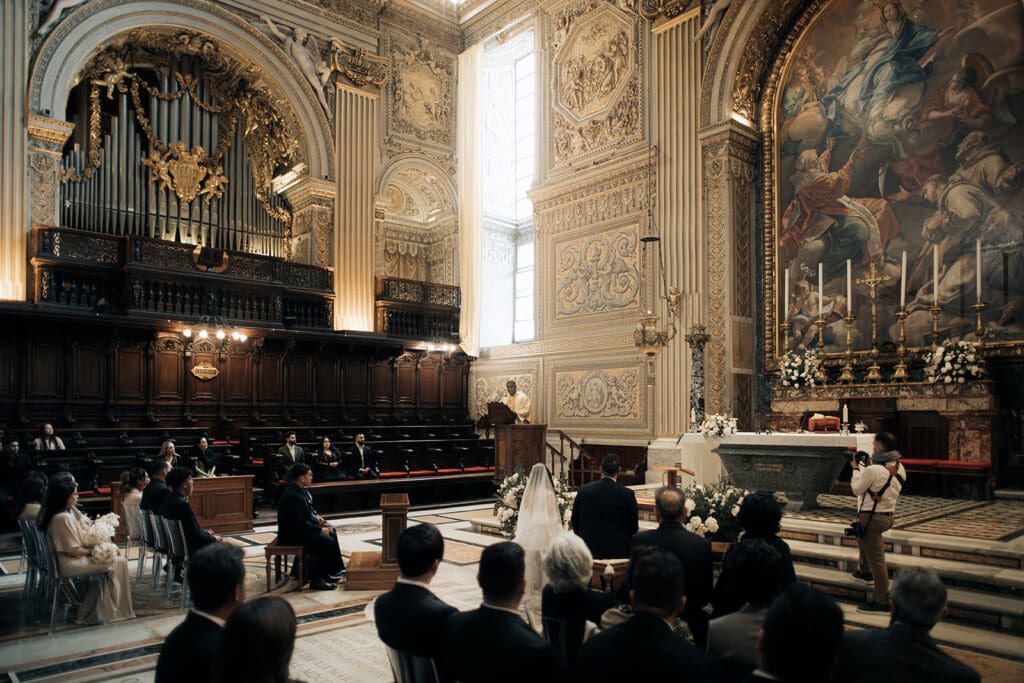
Understand Legalities and Ceremonies Abroad
One key difference with destination weddings—especially in Europe and Asia—is the legal side. Each country has its own rules around marriage licenses, residency requirements, and documentation. Some require you to arrive a certain number of days before the wedding; others may need certified translations or consular appointments.
Many couples simplify this by handling the legal paperwork at home (a quiet civil ceremony) and treating the destination ceremony as their “real” wedding emotionally and spiritually. This can still be a full, heartfelt ceremony with vows, readings, and cultural or religious rituals—just without the pressure of foreign bureaucracy.
For Hawaiʻi, the marriage license process is straightforward but still needs to be planned. For Napa and most domestic destinations in the U.S., the requirements are familiar. For Europe and Asia, it’s essential to either have a planner who understands the legal landscape or opt for the legal marriage at home + symbolic ceremony abroad approach.
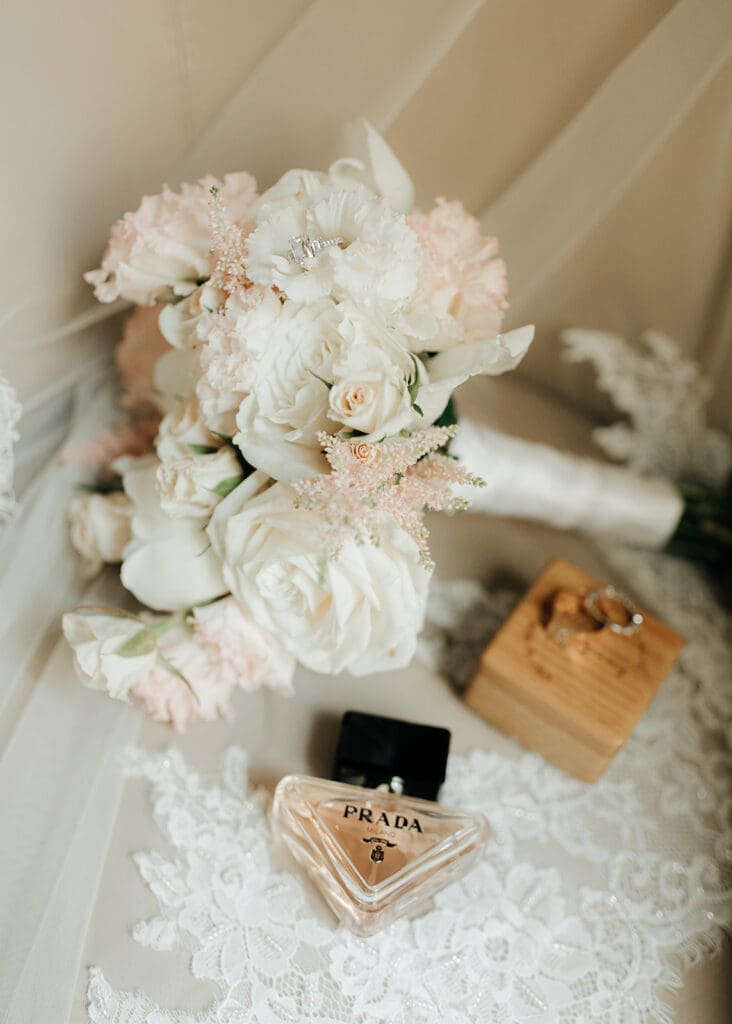


Refine Design with the Destination in Mind
Destination weddings are at their most beautiful when the design feels connected to the location, not just transplanted from Pinterest.
In Hawaiʻi, that might mean leaning into tropical foliage, ocean‑inspired palettes, kahiko or hula elements, lei exchange, and thoughtful respect for local culture. In Napa, you might highlight seasonal California ingredients, wine‑focused pairings, vineyard views, and natural materials. In Europe, you can draw from local architecture—a courtyard in Italy, a chateau garden in France, cliffside blues and whites in Greece. In Asia, you might incorporate local textiles, florals, lanterns, or traditional ceremonies.
Rather than shipping everything in, work with what’s available and meaningful in that place. This can also help control costs and avoid customs issues. Your planner and local florist or designer will guide you through what’s realistic, beautiful, and appropriate for your destination and season.
Nail Down Timelines, Transportation, and Backup Plans
The closer you get to the wedding, the more detailed your logistics become. With destination weddings, you’ll need to think not just about your wedding day timeline, but about how guests move safely and comfortably throughout the entire experience.
This often includes:
- Shuttle schedules between hotels and venues
- Extra time for transfers in wine country or between islands
- Buffer time for group activities, since people are in an unfamiliar place
- A clear plan for rain or weather shifts, especially for beaches, vineyards, and rooftop venues
A strong timeline in a destination context isn’t about being rigid; it’s about creating enough structure that the day feels effortless. When transportation is coordinated, guests know where to be, and your vendor team is aligned, you get to relax into the experience instead of worrying about what’s next.
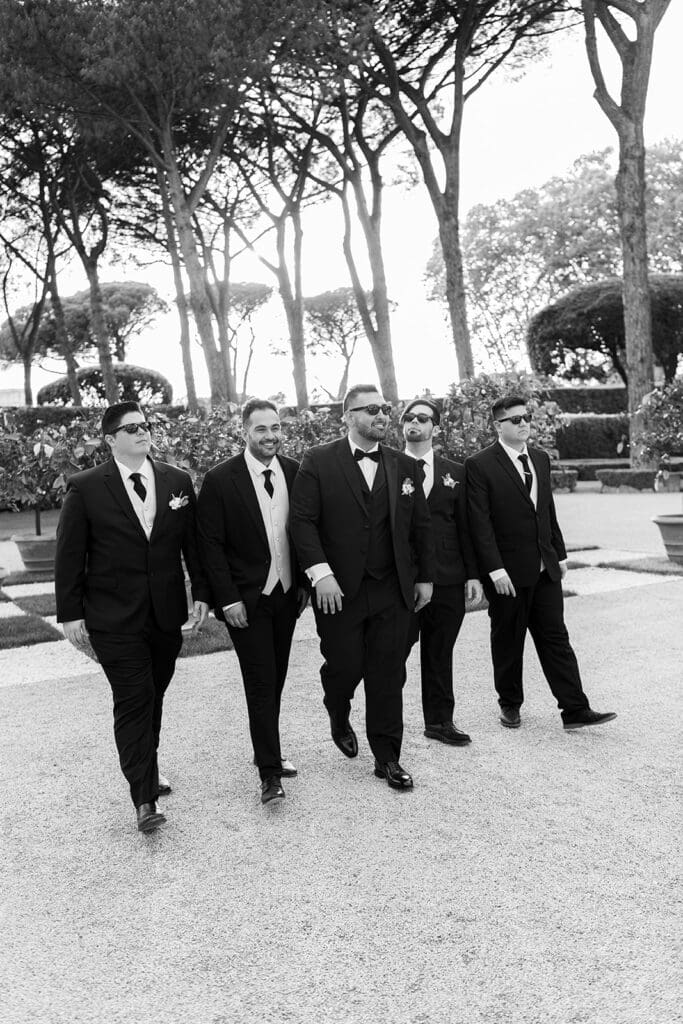
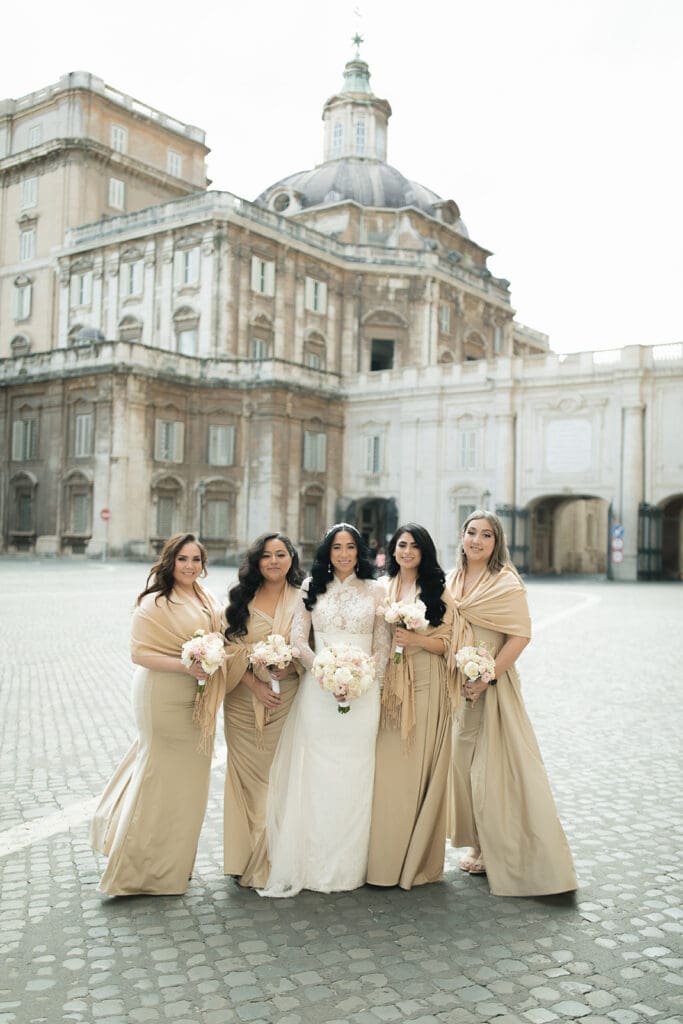
Final Weeks – Confirm, Pack, and Delegate
In the last few weeks, you’ll confirm your final guest count, share the final timeline with all vendors, finalize seating, and lock in your menu and music choices. You’ll also be preparing to travel yourselves.
For a destination wedding, make a clear packing and shipping plan. Anything essential to your ceremony or look—rings, attire, vows, key personal items—should travel with you in carry‑on luggage. Non‑essential decor can sometimes be shipped or rented locally, but allow for delays and customs clearance.
Assign trusted people to certain roles: someone to manage your welcome bags, someone to handle wedding‑day tips, someone to bring your personal items back to your room. Your planner will also be handling a large part of the coordination, but having a few designated helpers among your guests can make everything feel more supported.
Arrive, Acclimate, and Enjoy
Try to arrive a few days before your guests, if possible. Use that time to:
- Relax and shake off travel fatigue
- Meet your planner and key vendors in person
- Do a final walkthrough of the venue
- Adjust to time zones and climate
Once guests begin to arrive, allow yourself to shift fully into “host” and “guest of honor” mode, rather than “project manager.” Show up to your welcome event, your activities, your rehearsal, and your wedding day with the peace of knowing you’ve prepared well and surrounded yourselves with a capable team.
On the day itself, let the place you chose do what it does best—whether that’s a fiery Hawaiʻi sunset, a golden Napa vineyard evening, a European city glowing at night, or a tranquil temple or seaside landscape in Asia. Take a moment together to look around and truly see what you’ve created: people you love, gathered in a beautiful corner of the world, just to celebrate you.
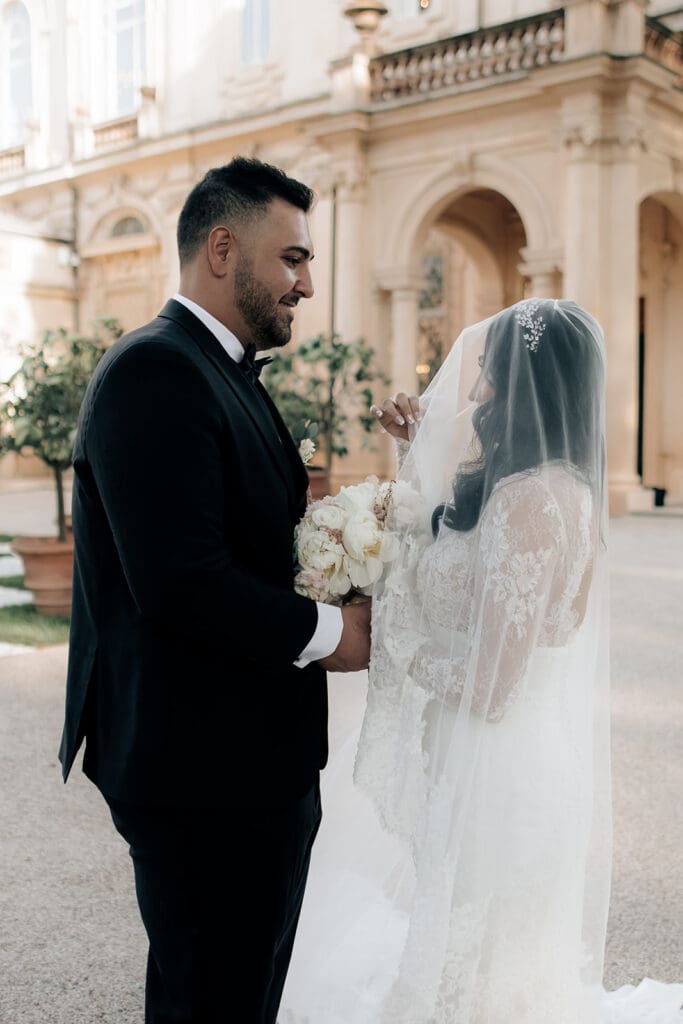
Your Destination Wedding, Beautifully Managed
Planning a wedding across borders, oceans, and time zones can feel daunting—but it doesn’t have to.With a clear roadmap and the right guidance, you can move through this season feeling supported rather than overwhelmed, excited rather than stressed. That’s where we come in.
At Anela Events, we specialize in weddings that stretch from Hawaiʻi to Napa and beyond, and we partner with trusted teams throughout Europe and Asia to bring your vision to life wherever your heart is pulled. We weave together thoughtful planning, cultural respect, and seamless logistics so your destination wedding feels effortless—for you and your guests.
If you’re dreaming of saying “I do” somewhere unforgettable and you want a planner who understands both the journey and the destination, we’d love to connect.
Reach out to Anela Events to schedule a consultation and start turning your destination wedding vision—whether in Hawaiʻi, Napa, Europe, or Asia—into an experience you and your guests will remember for the rest of your lives.