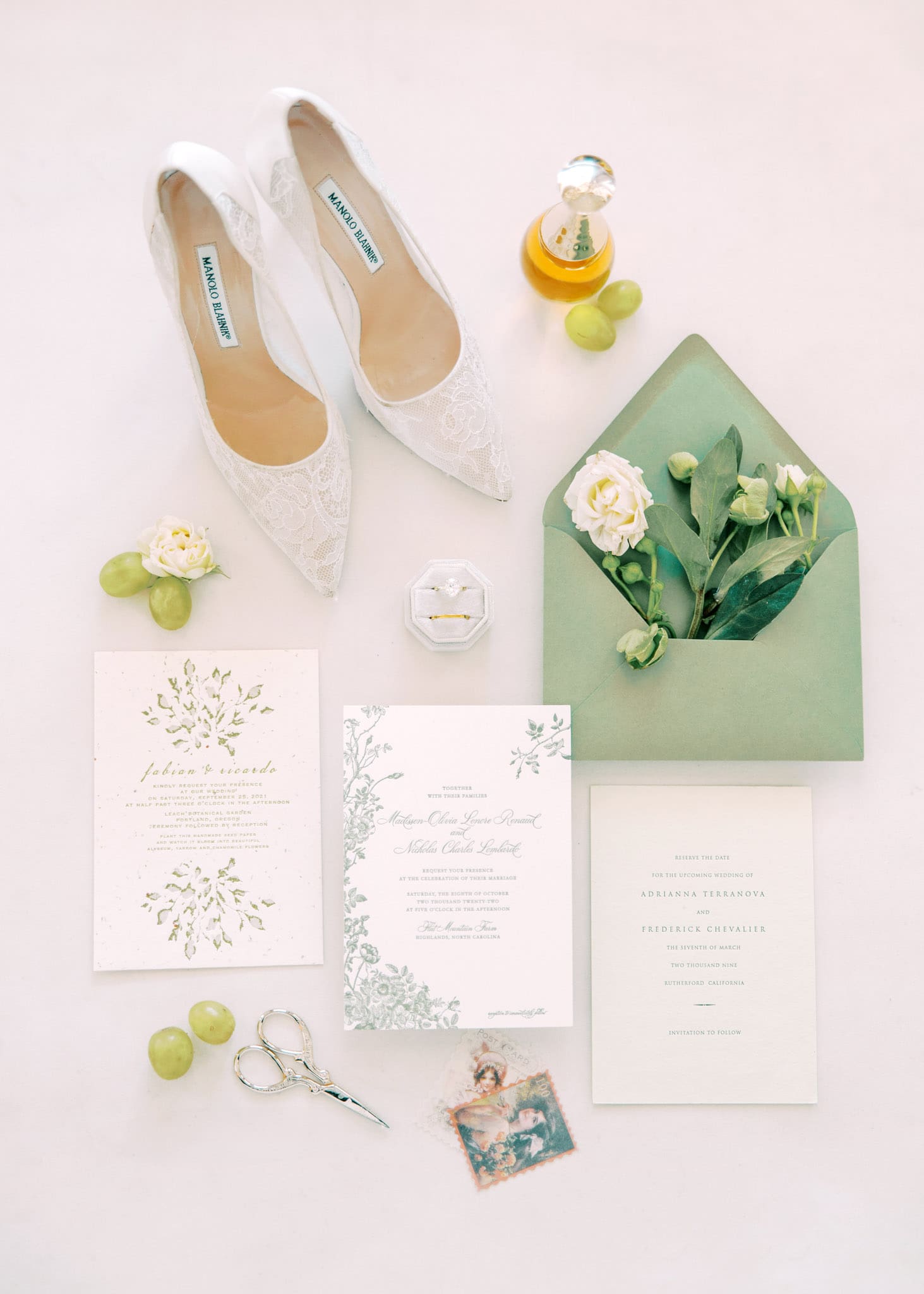
Wedding Planning Timeline
Getting engaged is one of those sparkling, once‑in‑a‑lifetime moments. But once the initial glow settles, most couples quickly bump into the same questions: Where do we start? What should we do first? Are we already behind?
If you’re planning in the Bay Area, Hawaiʻi, or somewhere in between, this step‑by‑step roadmap will walk you from engagement all the way to the wedding day. Think of it as a calm, clear path through a season that can easily feel overwhelming. You don’t have to do everything at once—you just need to do the right things at the right time.
Step 1: Celebrate, Pause, and Dream (Right After the Engagement)
Before you touch a spreadsheet or Google a single venue, give yourselves permission to simply be engaged. Go to dinner, call your families, tell the story of the proposal more times than you can count. This short window of pure celebration is something you’ll look back on fondly, so don’t rush past it.
Once you’ve had a chance to soak it in, start dreaming together. Not about napkin colors or chair styles yet, but about the feeling of your wedding day. Do you imagine something relaxed and tropical on a Hawaiʻi beach, or a chic rooftop in San Francisco at sunset? Is your heart set on an intimate gathering, or do you picture a big, joy‑filled celebration?
Have an honest, open conversation about:
- The kind of experience you want for yourselves and your guests
- Whether there are specific places—Maui, Oʻahu, Sonoma, Napa, the East Bay—that feel meaningful
- Any cultural, religious, or family traditions that matter deeply to you both
- This early “vision talk” becomes your north star for every decision that follows.
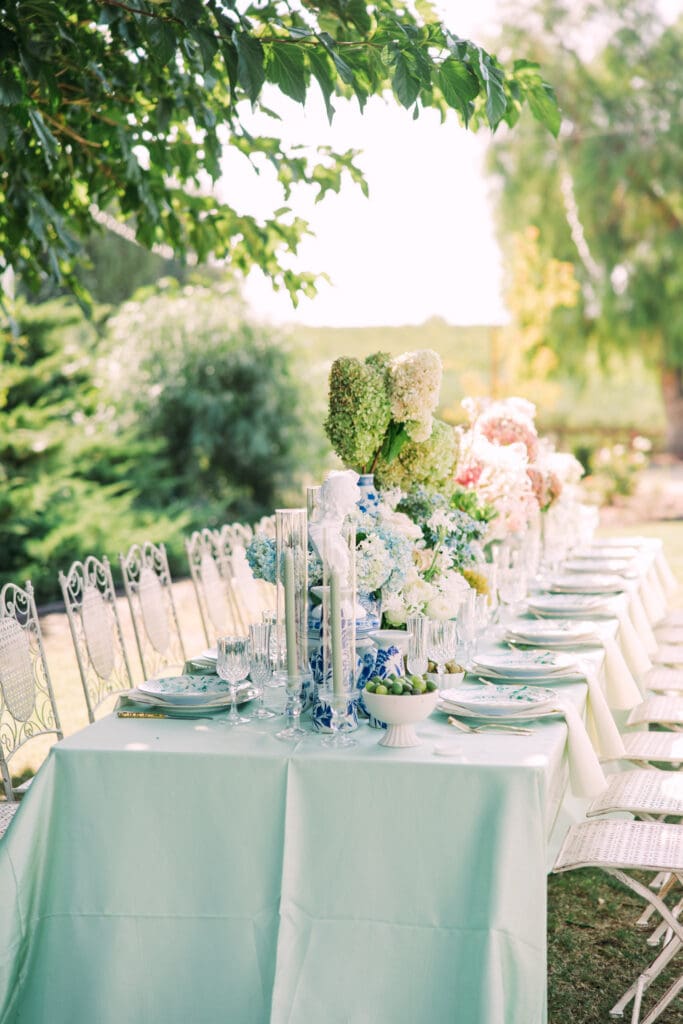
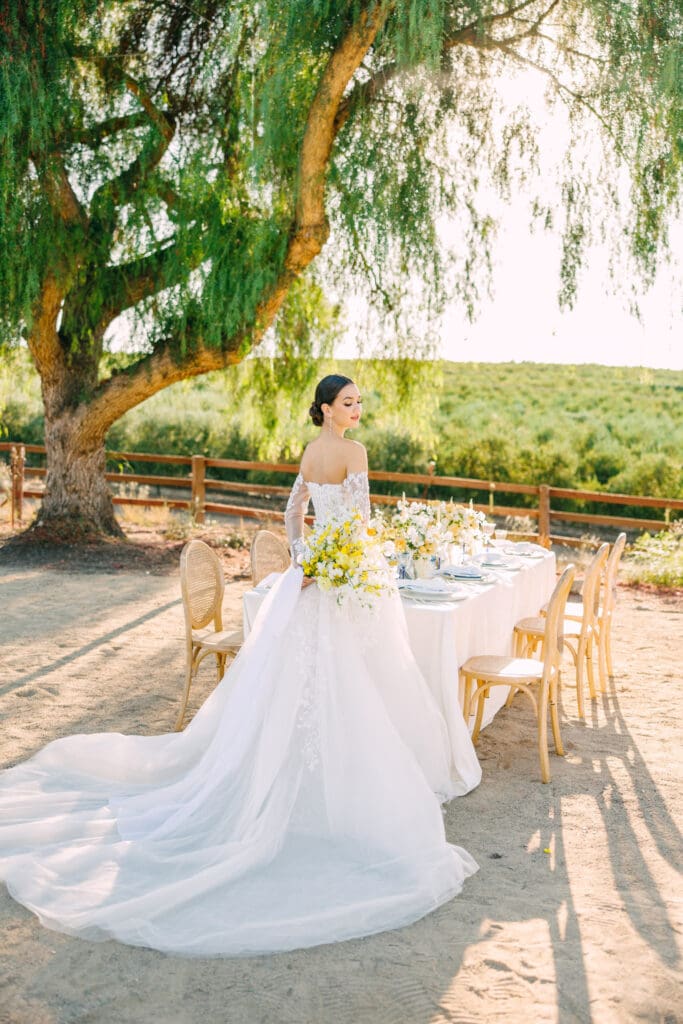
Step 2: Set Your Foundations – Budget, Guest Count, and Location
Every wedding rests on three pillars: budget, guest count, and location. Once these are in place, everything else becomes much clearer.
Start with the budget. Sit down with everyone who may be contributing—just the two of you, or you plus parents or family members—and talk numbers honestly. Instead of a single number, it’s often helpful to choose a comfortable range and an absolute “do not cross” maximum. Think about what you value most: is it an unforgettable meal, a gorgeous oceanfront ceremony, incredible photography, or an all‑night dance party? These priorities will guide where you invest more and where you simplify.
Next, sketch your guest list. Begin with your absolute “must have” people—immediate family and closest friends—then gradually add outer circles. You don’t have to finalize this list yet; you just need a rough count. A 40‑person wedding looks very different from one with 175 guests, and your venue, catering, and travel decisions will hinge on this number.
Finally, choose your general location. Bay Area weddings offer vineyards, estates, redwoods, city views, and industrial‑chic spaces, while Hawaiʻi brings soft sand, lush mountains, and a sense of place that naturally invites intimacy and meaning. Consider how many guests will be traveling, the time of year, weather patterns, and any legal or logistical requirements (like beach permits or marriage license rules in Hawaiʻi). Once these three foundations are relatively clear, your planning has something solid to stand on.
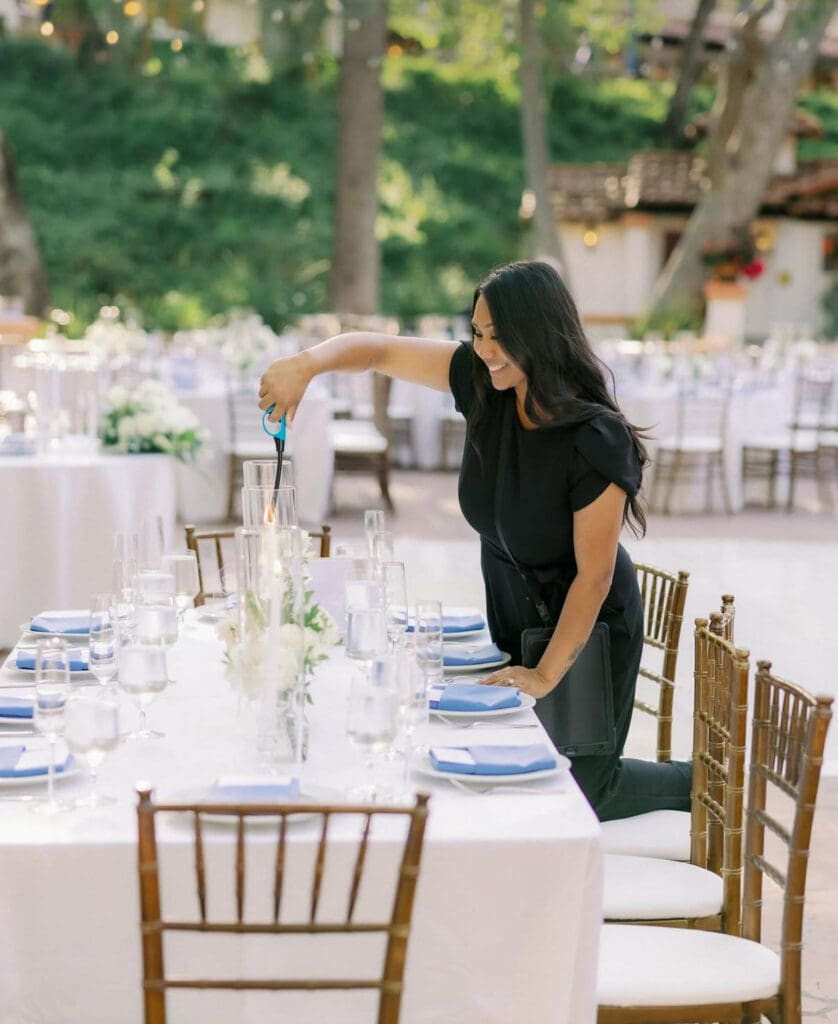
Step 3: Bring in a Wedding Planner Early
Many couples assume planners are a luxury you add later, once you’ve already booked your venue or chosen your vendors. In reality, bringing in a planner early often saves you both money and stress, especially if you’re planning a destination celebration in Hawaiʻi or working across time zones and multiple locations.
At this stage, a planner can help you translate that early vision and those foundational decisions into a realistic, well‑paced plan. We look at your budget, guest count, and preferred location and guide you toward venues and vendors that truly fit, rather than just what happens to be available on a search engine. We flag common pitfalls in the Bay Area and on the islands—like noise curfews, wind patterns, rain plans, travel times, or cultural considerations—so you don’t have to learn the hard way.
For couples planning from afar, this support is invaluable. Instead of spending your evenings emailing strangers and comparing endless options, you get curated recommendations from someone who knows the local landscape. From there, you can focus on the fun decisions, confident that the logistical backbone is being handled.

Step 4: Choose Your Venue and Set the Date
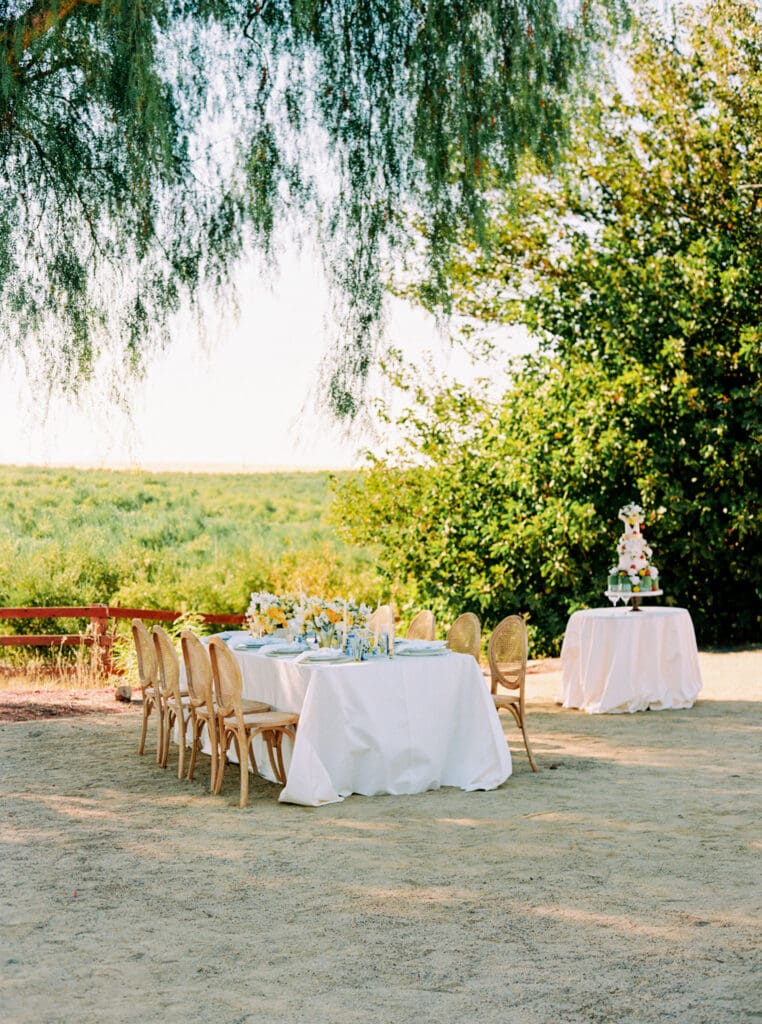
Once you’ve clarified your general location and brought in a planner (if you choose to), the next major milestone is choosing your venue and locking in your date. This is often when the engagement starts to feel real: you can stand in a particular place and imagine your ceremony, hear the laughter at your reception, and picture yourselves saying “I do.”
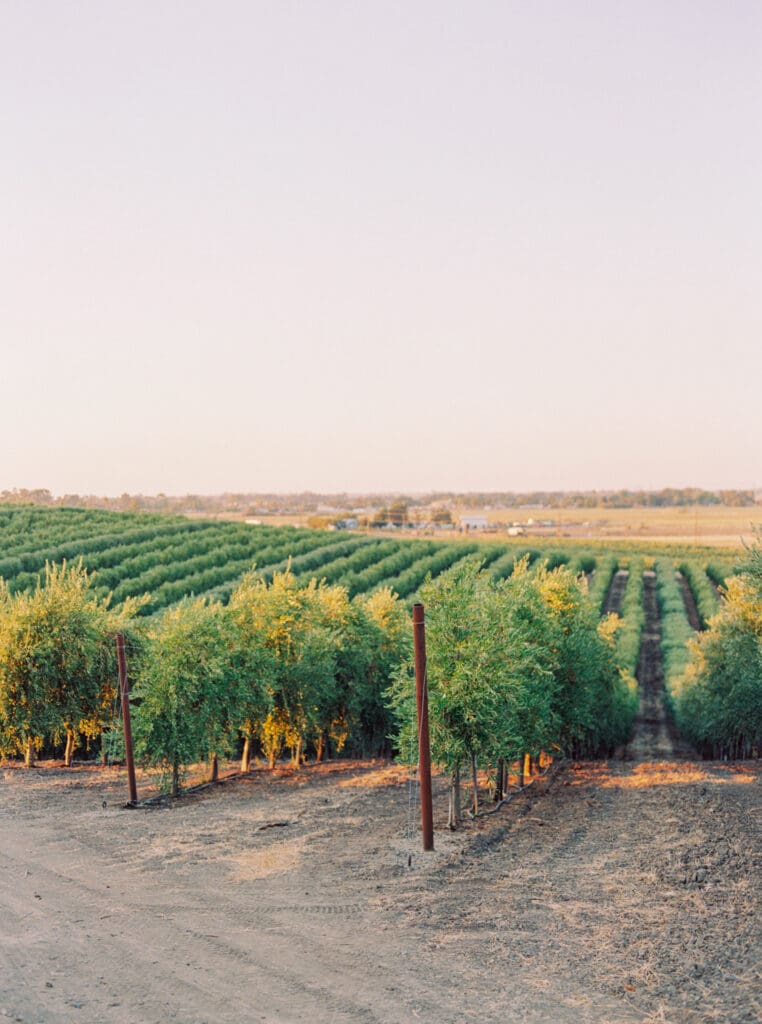
As you explore venues in the Bay Area or Hawaiʻi, think beyond just how they look in photos. Consider how many guests they can comfortably host, whether they work with your desired ceremony and reception flow, and how the weather might behave during your chosen season. Hawaiʻi’s outdoor locations are stunning but can be windy or rainy at certain times of year; the Bay Area is famously beautiful, but coastal and wine country regions can be surprisingly cool in the evening.
It’s also wise to ask about curfews, noise restrictions, catering rules, and decor limitations. Your venue sets the framework for almost every other decision, from what time your ceremony should start to what style of food service will work best. Once your date and venue are confirmed, you’ve planted a flag in the calendar—and everything else can now be scheduled around it.
Step 5: Build Your Vendor Team
With a venue and date secured, the next step is bringing together the professionals who will bring your day to life. Your photographer, videographer, caterer, florist, DJ or band, hair and makeup team, and officiant each play a specific role in creating the experience your guests will remember.
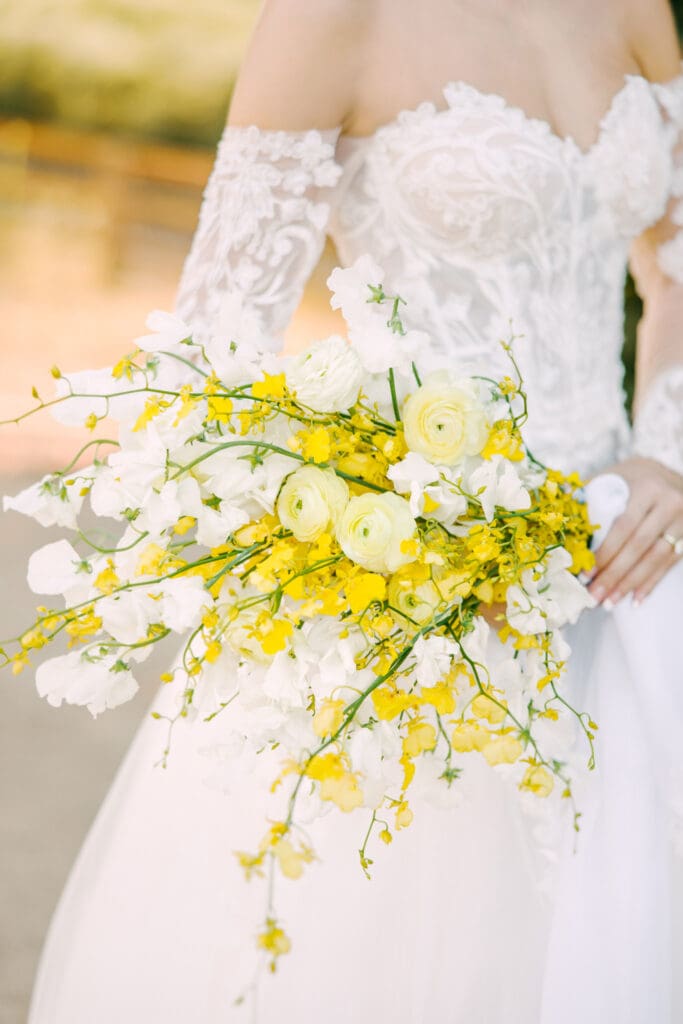
Instead of choosing purely based on social media, look for vendors whose style, communication, and energy feel aligned with yours. Request to see full galleries from photographers, not just highlight reels. Ask caterers about menus that reflect your location—perhaps island‑inspired cuisine in Hawaiʻi or seasonal, farm‑to‑table dishes in the Bay Area. Talk with florists about what’s local and in season, whether that’s lush tropicals and lei in Hawaiʻi or soft vineyard blooms and greenery in wine country.
Your wedding planner can streamline this process tremendously by recommending trusted professionals who match your budget and aesthetic, then handling communication, contracts, and logistics. The result is a cohesive team of people who are not only talented, but also accustomed to working together—something that makes your wedding day flow much more smoothly.
Step 6: Shape the Look and Feel of Your Celebration
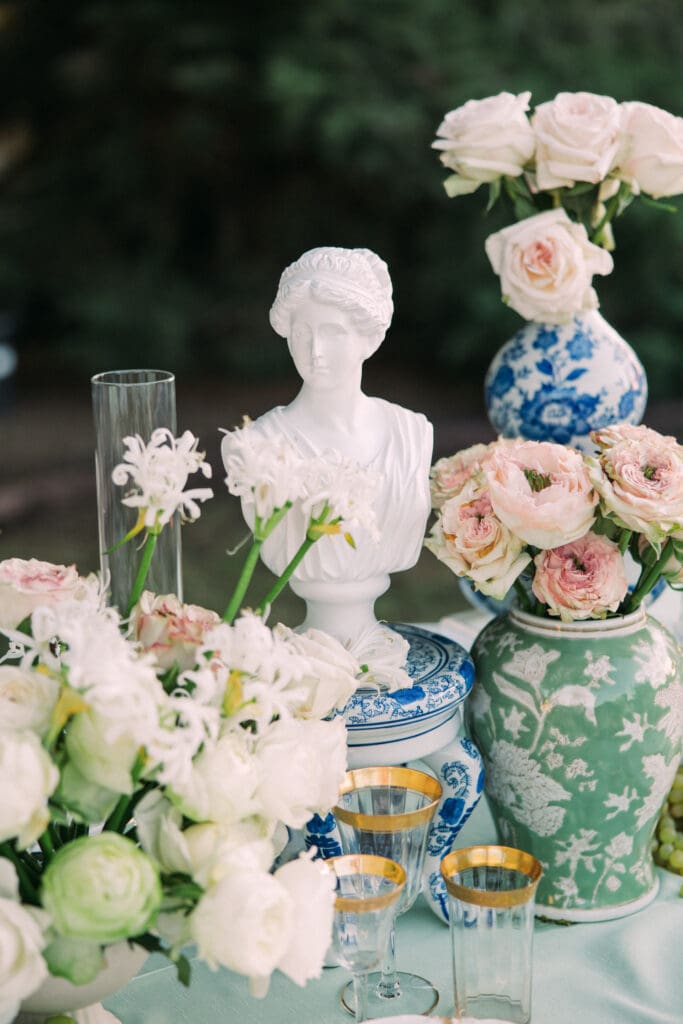
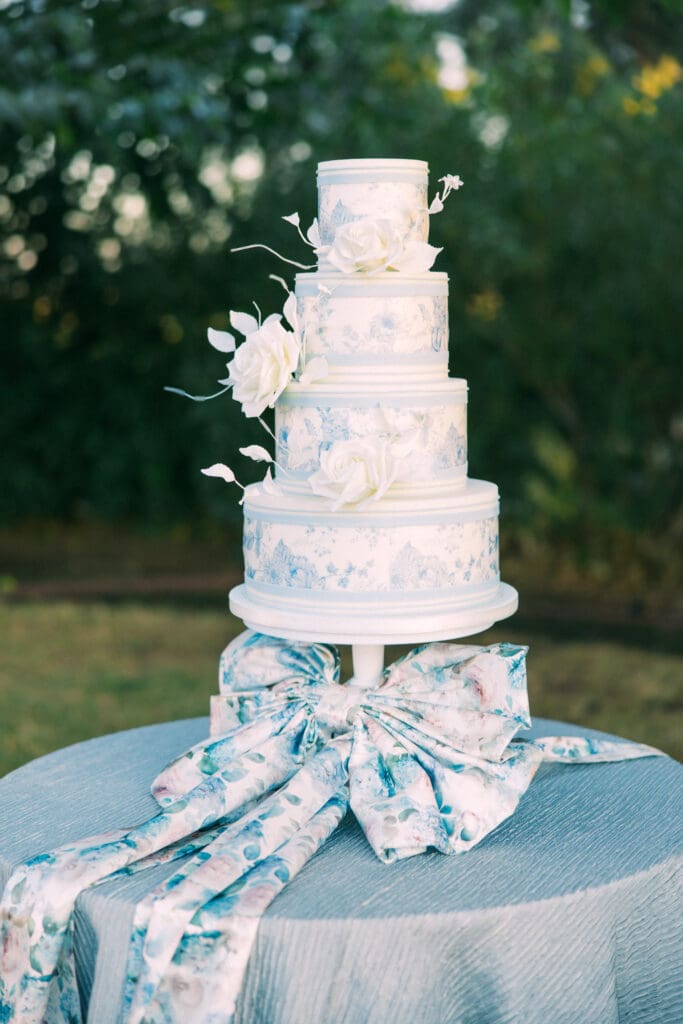
Once your “big rock” decisions are made, you can turn more fully to the creative side of planning: design. At this stage, you’re translating your early vision into a tangible look and atmosphere that your guests will see, touch, and feel.
Start by clarifying your overall style and color palette. Are you drawn to soft, romantic tones and candlelight, or clean, modern lines and bold colors? Are you envisioning something deeply rooted in the natural surroundings—like the ocean, cliffs, and palm trees of Hawaiʻi, or the vineyards, forests, and cityscapes of the Bay—or something more refined and formal indoors?
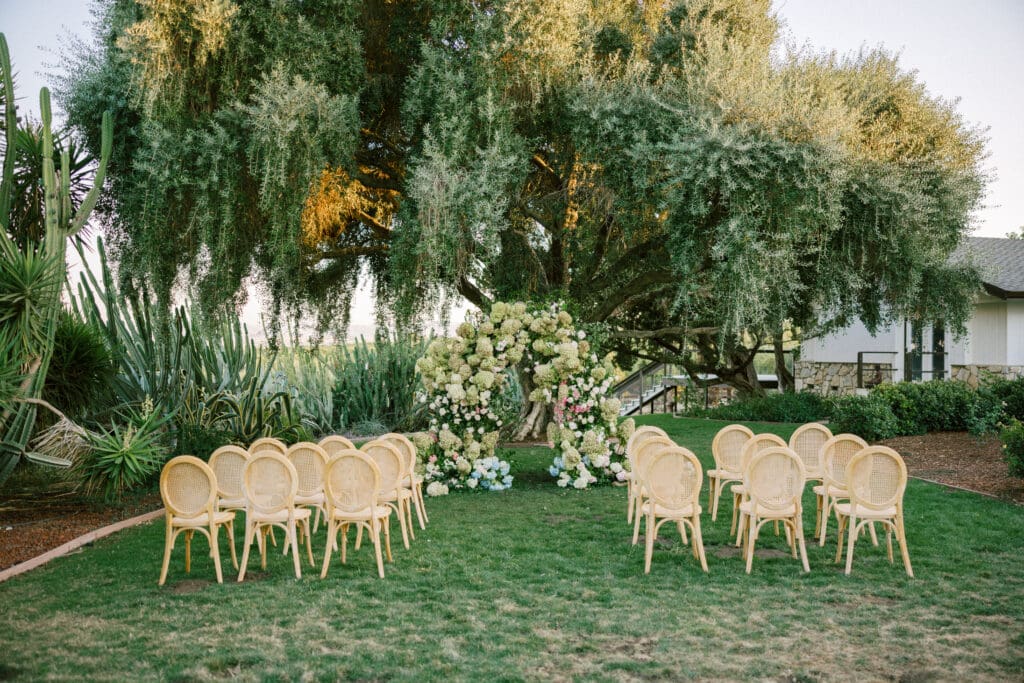
From there, consider the flow of the day: how your ceremony space will be set, how guests will move into cocktail hour, and how the reception tables, lighting, and signage will come together to tell a cohesive story. In Hawaiʻi, often the natural landscape does much of the heavy lifting; a few thoughtful touches like lei, haku, or locally inspired textiles can add layers of meaning. In the Bay Area, the venue itself—whether a winery, loft, private estate, or city rooftop—often guides the design in a beautiful way.
A planner with design experience can help you curate and refine your ideas so they feel intentional rather than overwhelming, turning a hundred pinned images into one clear, beautiful plan.

Step 7: Attire, Rings, and Personal Details
Around this time, you’ll also be choosing what you and your wedding party will wear, and tending to personal details that make your celebration feel uniquely yours.
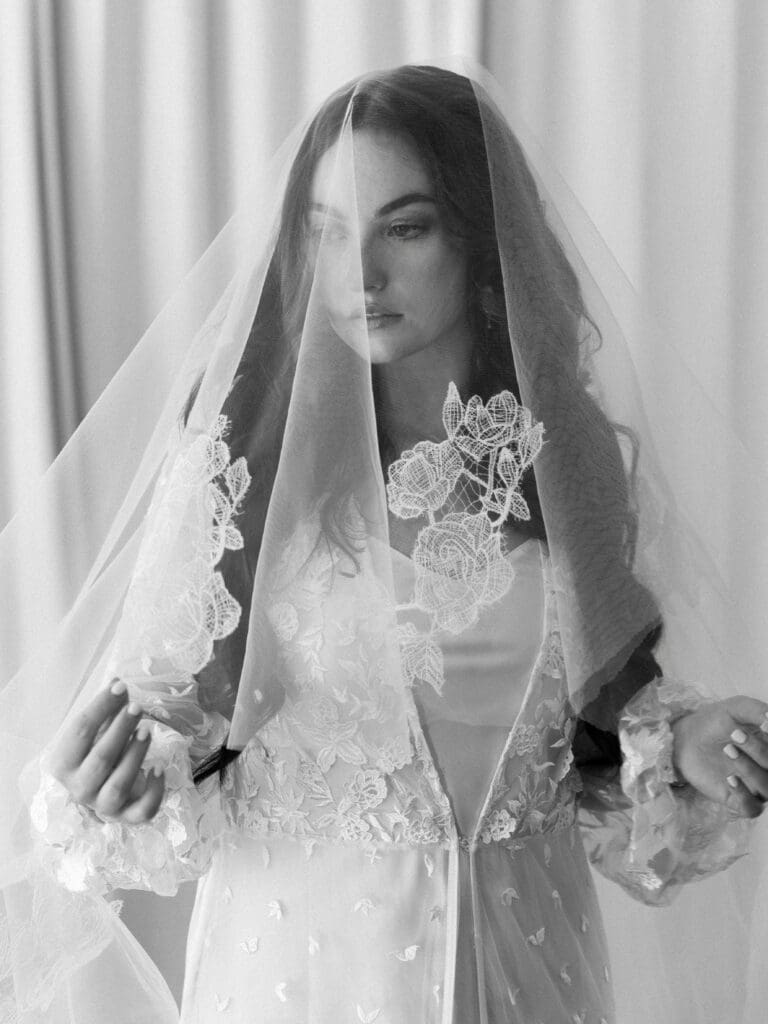
Wedding dresses and suits often require several months for ordering and alterations, so give yourselves plenty of time—especially if you’re traveling to Hawaiʻi or the Bay Area and need to pack and transport your attire. Think about the climate: breezy, lightweight fabrics are ideal for Hawaiʻi’s warmth and humidity, while layers and shawls can be welcome once the sun sets in coastal or wine country locations.
You’ll also be choosing wedding bands, discussing any engraving or custom details, and, if you wish, creating a registry or honeymoon fund. These may seem like small tasks compared to venue hunting, but they’re often the things you’ll interact with every day after your wedding—your rings, your photos, your memories of how the day felt—so they deserve thoughtful attention.
Step 8: Travel, Accommodations, and Guest Experience
If you’re inviting guests to travel—whether to Hawaiʻi or to a destination within the Bay Area—their experience becomes an important part of your planning. The smoother and more welcoming you make their journey, the more relaxed and present everyone will feel on the wedding day.
This is the time to reserve room blocks, compile recommendations for hotels or vacation rentals, and share practical travel information on your wedding website. For Hawaiʻi, you may want to encourage guests to book flights and accommodations early, and offer suggestions for rental cars, local restaurants, and activities. For Bay Area weddings, tips about nearby airports, public transit, driving routes, and local attractions can be just as helpful.
Think through the guest experience from the moment they arrive. Will you offer a welcome gathering so people can connect before the wedding day? Are you providing transportation to and from the venue, especially if parking is limited or driving at night could be tricky? Simple touches—a clear wedding website, a thoughtful welcome note and snacks, or a list of your favorite local spots—can go a long way toward making your celebration feel like a warm, well‑hosted experience from start to finish.
Step 9: Bring the Details Together
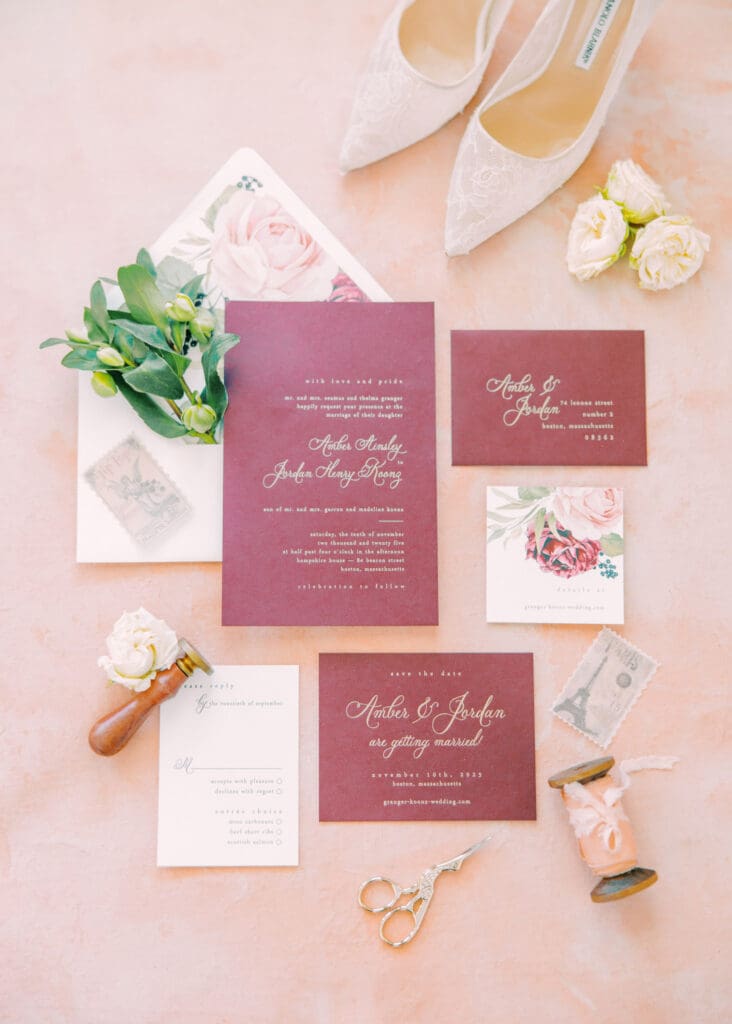
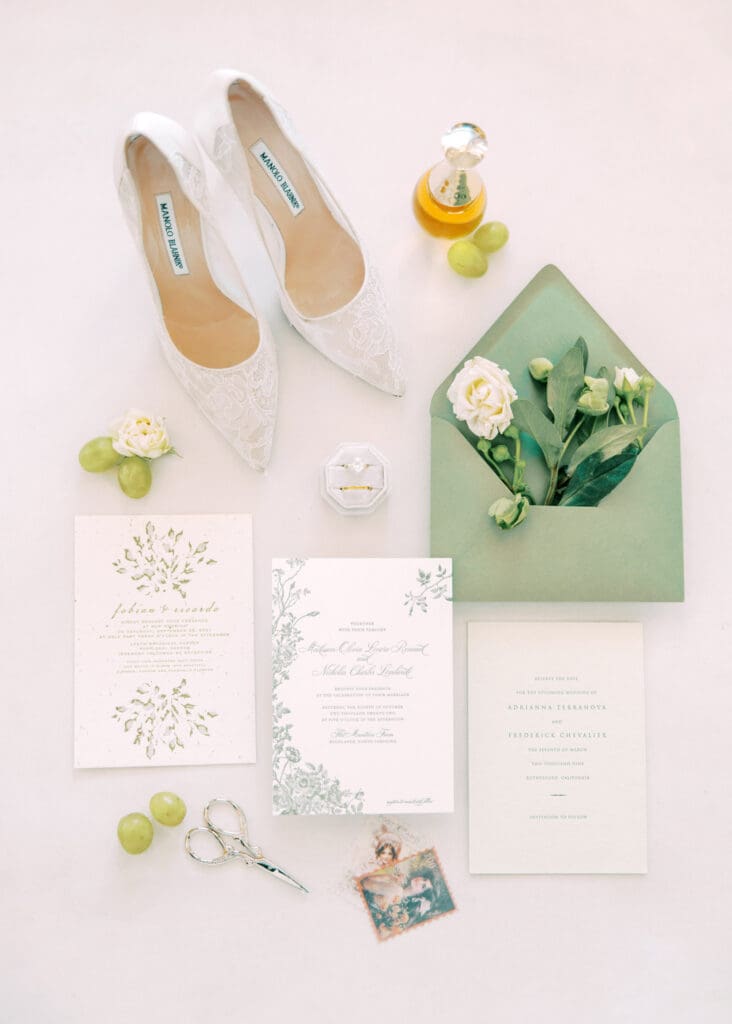
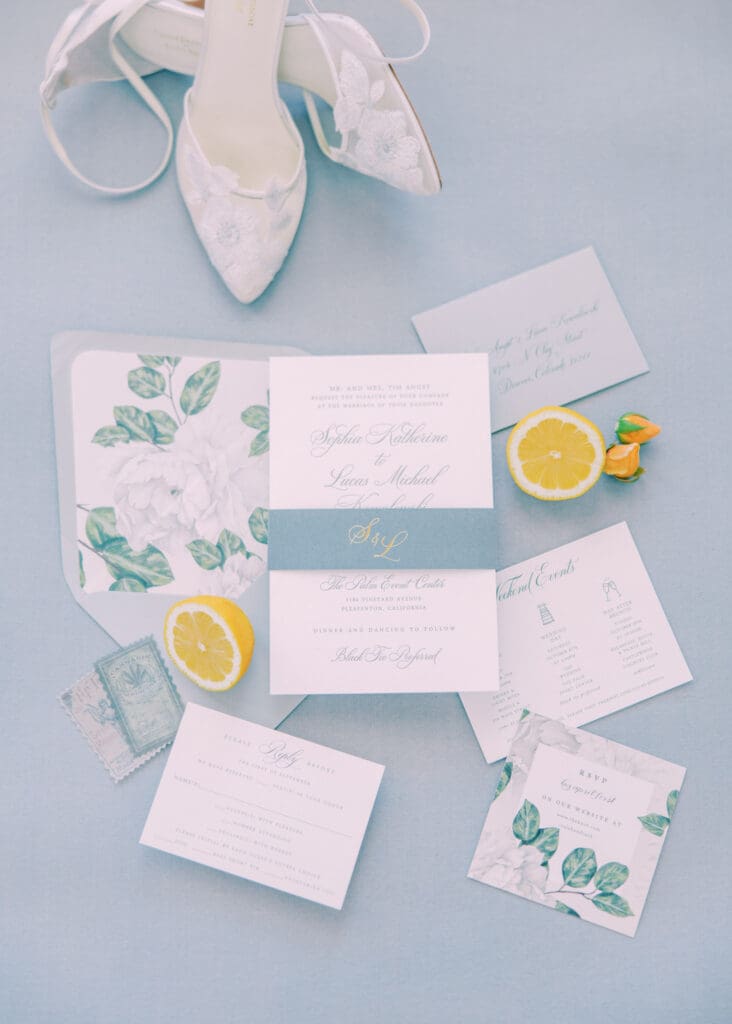
As your wedding approaches, you enter a phase where many of the final decisions come together. This is when you send invitations, track RSVPs, and finalize your ceremony structure, readings, and music. You’ll work on your seating chart and decide where each person will sit, how you want to handle speeches, and what your timeline will look like from getting ready in the morning to your final send‑off at night.
It can feel like a lot of moving pieces—but this is also where you see your months of planning turn into a fully formed event. Your vendors will be asking for final details: your caterer will need your guest count and menu selections, your DJ or band will want your special songs and “do not play” list, and your photographer will ask about any must‑capture family combinations or moments.
With a planner, this stage is structured and supported. Instead of juggling every email and deadline yourself, you have someone coordinating with your team, creating a detailed timeline, and ensuring that nothing important slips through the cracks.
Step 10: Confirm, Delegate, and Breathe
In the final weeks, your focus shifts from creating to confirming. You’ll share your final head count with your venue and caterer, confirm arrival times and details with your vendors, and distribute the final timeline. You’ll also assign trusted friends or family members to a few specific roles, like bringing your overnight bag, gathering cards and gifts at the end of the night, or being a point of contact for questions so they don’t all land on you.
This is also a good time to prepare any personal items that need to be brought to the venue: signage, favors, guest book, welcome table pieces, or cultural and ceremonial items. Your planner will give you a checklist and, in many cases, take these off your hands ahead of time so you’re not packing boxes the night before your wedding.
It’s completely normal to feel a mix of excitement and nerves in this window. When you’ve followed a clear roadmap, though, these final weeks can be far more peaceful. You’ve done the work; now you’re simply smoothing the edges and making space to enjoy what’s coming.
Step 11: Rehearsal and Welcome
The day before your wedding usually holds two important moments: the rehearsal and, if you’re hosting one, a welcome dinner or casual gathering. The rehearsal is your chance to walk through the ceremony, practice the processional and recessional, and answer questions for your wedding party and family. When everyone knows where to stand and what to expect, the ceremony itself feels calmer and more focused.
A welcome event—anything from a full dinner to relaxed drinks at a favorite spot—can be especially meaningful for destination weddings. It gives guests a chance to meet and reconnect, so by the time the wedding day arrives, the room is already full of familiar faces and easy conversation. For Hawaiʻi weddings, this might be a casual beach gathering or luʻau‑inspired evening; in the Bay Area, it could be a wine tasting, a restaurant dinner, or a cozy backyard get‑together.
With a planner coordinating timing, transportation, and logistics, you and your families can actually participate in these moments instead of running them.
Step 12: Your Wedding Day
When the wedding day finally arrives, your job is no longer to manage or oversee. Your only real responsibility is to be present—to each other, to your family and friends, and to the experience you’ve created.
If you’ve built a strong team and entrusted a planner with the logistics, the day will unfold around you with far less stress. While you’re getting ready, your vendors are arriving, your decor is being placed, and your timeline is being quietly kept on track. If the weather shifts, a shuttle runs late, or an unexpected hiccup arises, it’s handled behind the scenes.
Try to carve out a few intentional moments together: a first look, a quiet breath before walking down the aisle, or five minutes alone during cocktail hour to soak it all in. Look around the room at your reception and notice how many people traveled, dressed up, and set aside their day simply to celebrate your love. Those images will stay with you long after the last song has played.
A Simple Way to Stay On Track
While every wedding is unique, most couples planning in the Bay Area or Hawaiʻi find this general pacing helpful:
- In the first few months: dream, set your budget and guest count, choose your location, hire a planner, and book your venue.
- Over the next several months: build your vendor team, refine your design, choose your attire, and plan travel and accommodations.
- In the final stretch: send invitations, finalize details, confirm with vendors, create your timeline, rehearse, and then rest.
- You don’t need to know everything on day one. You just need to know the next step—and have someone you trust walking alongside you.
Ready to Plan With Support, Not Stress?
Your engagement shouldn’t feel like a second full‑time job. It’s a season you deserve to remember for its laughter, connection, and anticipation—not endless to‑do lists and late‑night worry.
Whether you picture a sunset ceremony on a Hawaiʻi shoreline, a vineyard celebration in wine country, a stylish city wedding in San Francisco, or a multi‑day destination experience that brings all your favorite people together, Anela Events is here to guide you from “yes” to “I do” with calm, clarity, and care.
We specialize in weddings across the Bay Area and Hawaiʻi, blending thoughtful design with meticulous logistics so you can actually enjoy the journey. From the first brainstorming call to the last dance of the night, our role is to hold the details, anticipate the challenges, and create a celebration that feels like the two of you—beautiful, heartfelt, and unforgettable.
If you’re ready for a clear roadmap and a partner who knows both the Bay and the islands by heart, we’d love to connect.
Reach out to Anela Events to schedule a consultation and start planning a wedding that feels as good as it looks—every step of the way.